South Korea – Great Nation of the People
South Korea is situated on a peninsula, where it’s almost entirely surrounded by water, other than to the north, where it borders with North Korea. Most of the land is very mountainous, having small valleys and somewhat narrow coastal plains. This is a land which boasts many rivers and many cities. It is a mix of tradition and modernisation.
South Korea has a population of over 51 million, about double that of Australia, although it’s much smaller than Australia, about 1/78th. This makes it a very densely populated country, particularly given that only around 30% of the land is generally considered livable and suitable for agriculture and human settlements. This is likely the reason that more than 60% of South Koreans live in either multi-family dwellings or high-rise apartment buildings, which are typically 12-15 stories high. Whilst tourists and short-term visitors usually have little difficulty finding accommodation, anyone looking for a longer rental stay will have difficulty and often pay hefty rental bonds.
South Korea has a dry and cold winter. Other than along the southern sections, it can easily drop below freezing. In summer, it’s hot and humid. Autumn (September to November) is considered the nicest and most pleasant months to visit with bright sunny and clear days, low humidity and an array of very vibrant foliage, reminiscent of Canada. It’s a fabulous time to be out and about, walking, hiking and enjoying nature. Other than in the south (which is evergreen broad-leaved forests), a lot of the land is made up of deciduous broad-leaved plants or coniferous trees.
This country has a range of animals native to the area, including the Asian black bear, Mandarin duck, water deer, Amur leopard, wild boars and Leopard cat to name a few. However, with so much cultivation and population (along with which, of course, comes pollution), many fish, reptiles and amphibian species have become somewhat threatened. Interestingly, the safe zone for many species is the DMZ. The DMZ (Demilitarized Zone), is a buffer zone between North and South Korea which was established in 1953, at the end of the Korean War. It’s about 258 kms long and 4 kms wide and was heavily fortified with landmines. In time, it became somewhat of an ecological sanctuary for many endangered species. In the 50’s, this was an area of barbed wire and soldiers, but today it is green and touristy.
The people of South Korea was primarily Korean; making it a country which is primarily homogeneous (of the same). Foreigners living in South Korea, make up only about 5%, being Chinese, Vietnamese, Thai and some Americans. Korean, of course is the official language, which likely only about 10% speaking English. English speakers are typically those who are younger, or those in tourist-heavy areas. Having said that, many know some English words and phrases, but would struggle to hold a fluent conversation. This country boasts many famous Korean actors in Hollywood, including John Cho (Star Trek), Sung Kang (Fast & the Furious) and Daniel Dae Kim (Hawaii Five-O) are just some of many who you’ll recognise on the big and small screen.
South Korea has a colourful culture with many interesting practices. One is dating per your blood type. Blood types hold significant importance in their culture, often influencing decisions about romantic partners and dating. Being asked your blood type is very normal; somewhat akin to be asked what Zodiac or star sign you are. Koreans believe that they can gauge compatibility and understand a potential partner’s perceived traits with each blood type. Each type has a distinct set of generalised personality traits.
More modern, Korea is well known for its K-Pop and K-Dramas. It’s taking the planet by storm with catchy tunes and captivating dramas. Whilst originating in the 1990’s, it has gained substantial momentum and launched many careers to the global level. Of course, product marketing rides on the coattails of this phenomenon.
But if you are a Korean and not into the dance scene, then, there are many other sport opportunities as this is a country of many opportunities, from ice hockey, golf and baseball, through to more traditional sports like fencing, martial art tae kwon do or Ssireum. This traditional folk wrestling goes back to ancient times and is akin to the Japanese sumo wrestling.
For something a little unusual, South Korea has some interesting museums. One such museum is Poopoo Land, which is dedicated to all things poop. Another unusual thing in South Korea is that often you don’t say “How are you?” when greeting, but rather “Did you eat rice?”. It’s about your well-being. Another interesting thing is that their writing system (called Hangul) which is based on the shape of your lips when pronouncing letters – which sounds very practical. Hats off to this country; they produce 90% of the world’s seaweed! On the other hand, fruit is considered lavish as it is very pricey and is a generous gift. Oh, and I’m green! This country has the fastest internet in the world!
Here are some more interesting bits and pieces:
- At birth, a child is considered age 1; each person goes up a year on the 1st of January.
- Drinking alcohol in public is perfectly ok, plus it’s very cheap. Converting their KRW (South Korean Won) to Aussie dollars; a bottle of beer is around A$3.
- Many people fear ‘electric fan death’ where they believe leaving on the fan overnight can cause death to those sleeping below it. I guess that’s one way to control electricity consumption.
- Facial hair on men is considered unclean and highly discouraged.
- Never write a Korean’s name in red ink; in superstition, it signifies death for that person.
- These people celebrate Buddha’s birthday with a carnival-like revelry; nothing solemn or quiet.
- If you’re a gamer, then you’ll be at home here; these people LOVE their gaming.
- If you see a small blue block near a Korean car door, these sponges are the remnants of cars being shipped from the manufacturing factory and are used to protect the cars during transit.
- Cash in envelopes is the traditional gift for a Korean wedding and is known as chug-ui-geum (축의금) which means ‘congratulatory money’.
- The number 4 is highly unlucky and avoided where possible. The number 4 is pronounced as ‘sa’ which is the character for the word ‘death’. Talk about a word with double meaning.
There are heaps of fabulous things to do and see in South Korea, here are just a few:
- Koreans are very welcoming and joyful.
- Eating out is an all-night affair which is sure to include copious amounts of alcohol. Be sure to get in a catnap before heading out; you’re going to need it!
- Korea has embraced some very eye-catching, modern and contemporary architecture in its buildings, including hotels. It boasts some excellent technology, including AI voice assistants, cleaning robots, keyless entry, personalised customer experiences and of course, energy efficiency. Actually, South Korea has the world’s highest robot density with around 1,000 robots per 10,000 workers.
- There are world-class museums, as well as traditional street markets.
- South Korea also boasts cheap and highly efficient transport with buses, trains and taxis. You might even see/use a self-driving robotaxi, which became fully unmanned in 2024; being fully supported by the Government through revised regulations.
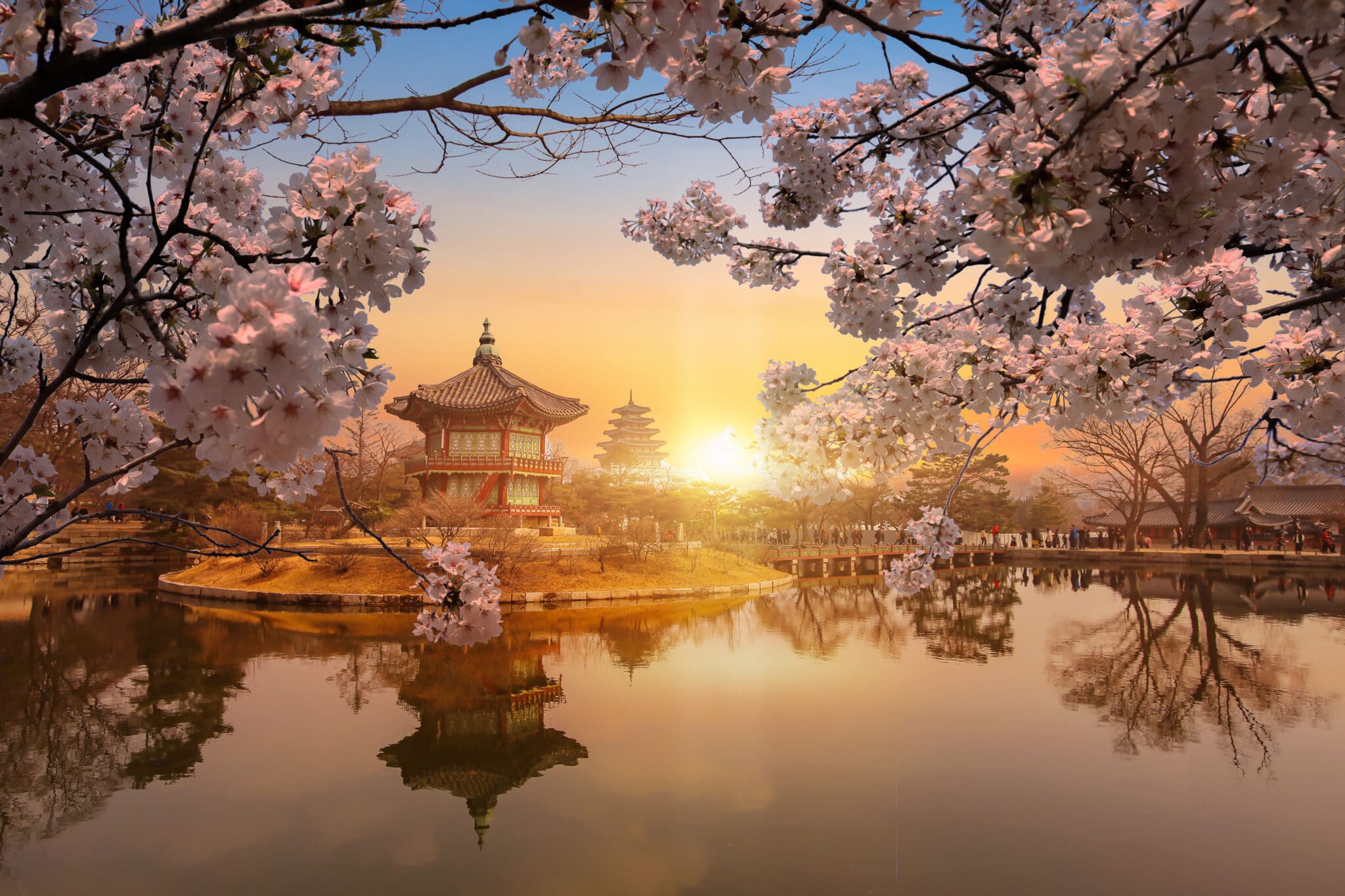
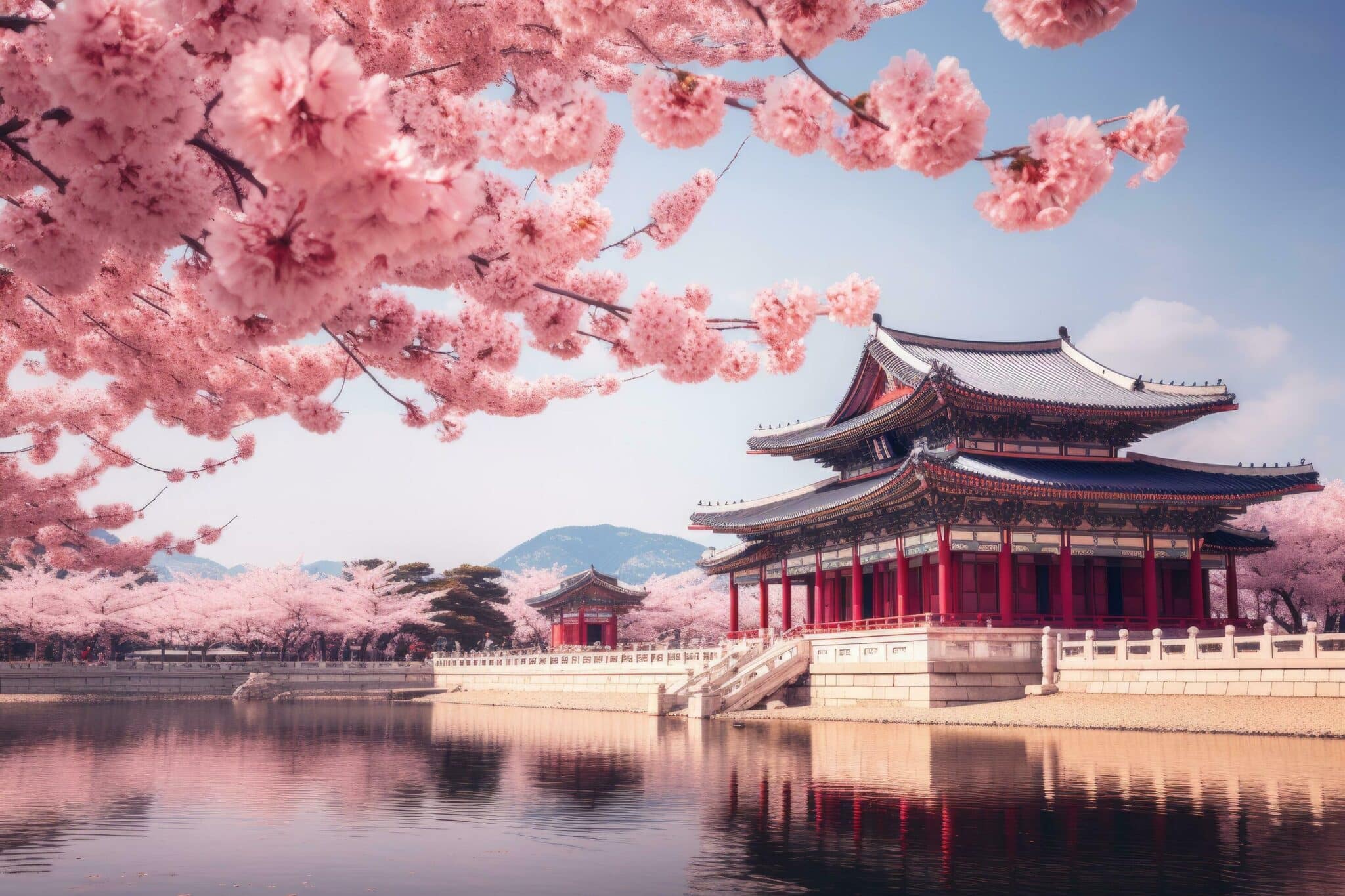
- There are many festivals throughout the year. One famous one, in October, is the Hwaseong Suwon Cultural Festival, which occurs in the Gyeonggi Province. There is also the Seoul International Fireworks Festival, also October. Then in April, there is the Lotus Lantern Festival to commemorate Buddha’s birth as well as the Cherry Blossom Festival. In January is the very cool Hwacheon Sancheoneo Ice Festival as well as the Taebaeksan Snow Festival.
- With K-Pop so (excuse the pun) popular, be sure to catch a concert, show or performance.
- If the weather is warm, visit a beautiful South Korean beach, or walk around pagodas and palaces throughout the country.
- There are food markets (Gwangjang Market is Seoul’s most famous ones) and many, many shopping opportunities.
- Check out the viewing tower in Seoul, at N Seoul Tower, located in Namsan Park.
- At the end of a busy tourist day, be sure to enjoy the fabulous Korean cuisine you will find everywhere, have a few drinks and if you’re game, then partake in some karaoke with the locals.
We’re very much looking forward to offering South Korea to our ladies at Luxury Women’s Tours. We will be curating another fabulous tour with the best of the best being provided. Learn more about this upcoming tour at South Korea in Bloom Tour.